
A renewable energy project can have an excellent site and strong generation potential while still facing major transmission limitations. American Power Engineers provides transmission access and planning services that help developers, owners, utilities, EPCs, and investors evaluate network capacity, connection options, transmission constraints, network upgrades, and project delivery risks. Our engineers translate complex transmission conditions into practical decisions around project feasibility, cost, schedule, and commercial viability. Our independent engineering approach helps developers, owners, EPCs, and investors identify BESS integration risks before they affect project cost, schedule, or commercial operation.
TRANSMISSION PLANNING · NETWORK CAPACITY · CONNECTION STRATEGY · CONSTRAINTS · GRID ACCESS
Established
Continents
Grid Markets
Engineering Platforms
Transmission constraints can significantly affect the feasibility, cost, and commercial viability of renewable energy projects. A project may have strong generation potential and an attractive location, but without sufficient transmission capacity, it can face major challenges in connecting to the grid and exporting power. Congestion, limited export capability, thermal constraints, voltage issues, system strength, and network augmentation requirements can all impact project economics.
These challenges may increase development costs, delay connection timelines, reduce export capability, and affect expected project returns. In some cases, late-discovered transmission limitations may even require developers to reconsider the project location or connection strategy. American Power Engineers helps identify these risks early through independent network assessment and transmission planning, giving developers, owners, utilities, EPCs, and investors the technical insight needed to make informed decisions, evaluate connection options, and reduce unexpected project risks before they become costly constraints.

Transmission planning requires understanding both the physical network and the project’s intended operating profile. Our services evaluate connection options, network capacity, constraints, upgrades, and technical risks before developers commit significant capital.

Evaluate available network capacity and identify constraints that may affect project export capability, connection feasibility, and overall development economics.

Compare potential connection locations based on technical feasibility, network conditions, cost, schedule, and the project’s transmission access requirements.
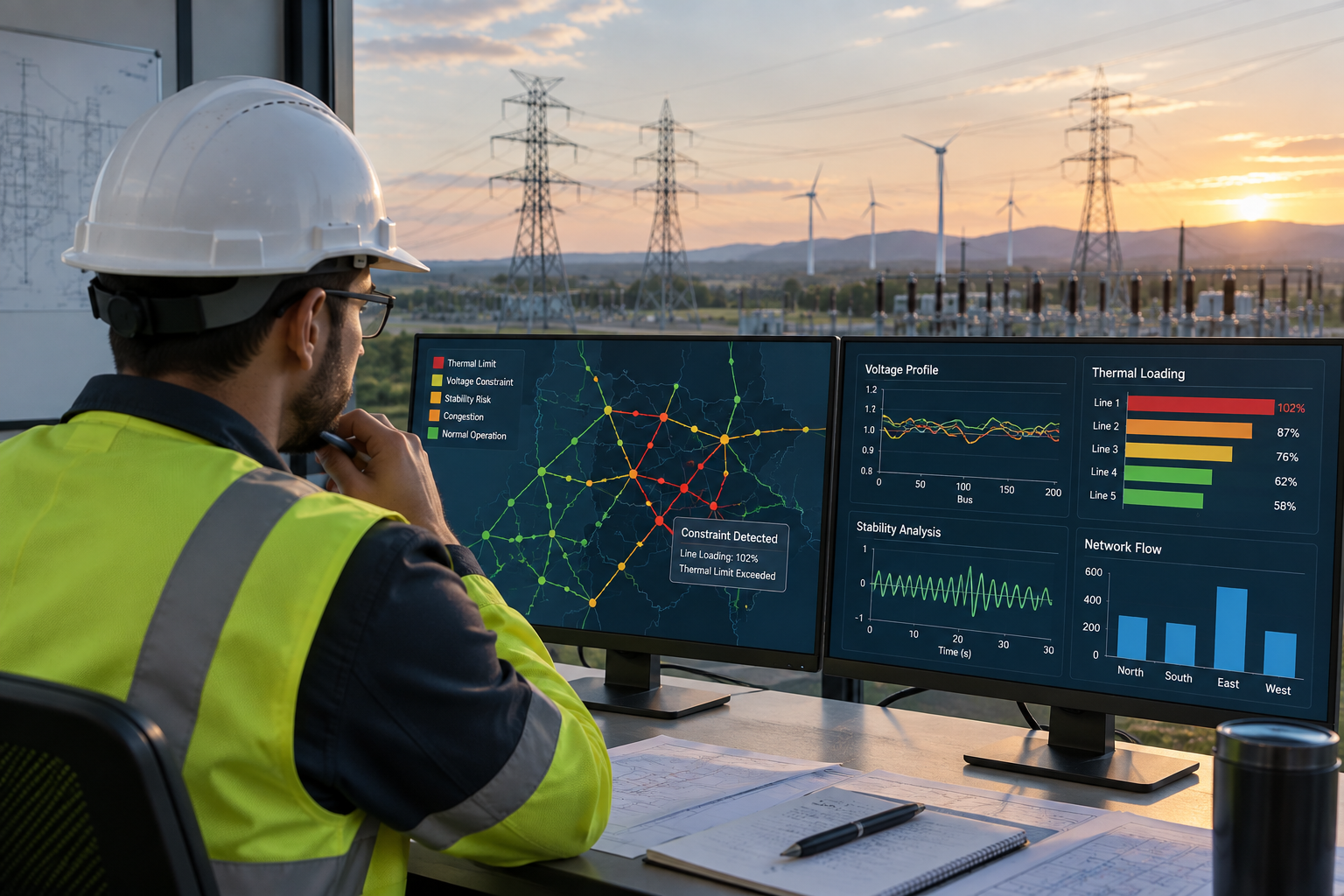
Identify thermal, voltage, stability, and other network constraints that may affect project operation, export capability, and long-term transmission performance.
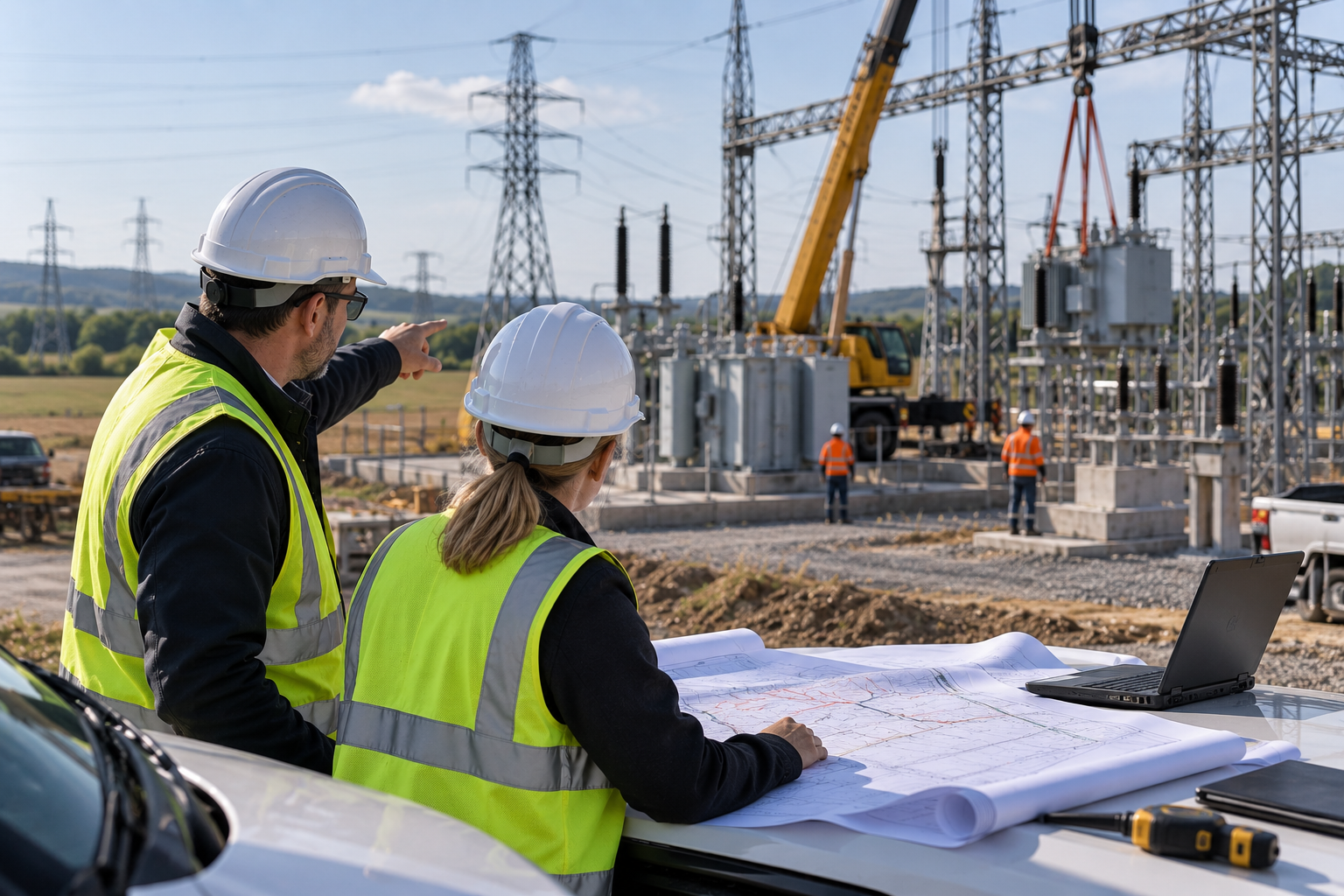
Evaluate potential transmission and network upgrades required to accommodate a new generation project and support reliable grid connection and project delivery.

Develop a practical transmission strategy aligned with project development, commercial objectives, connection requirements, and long-term project delivery goals.
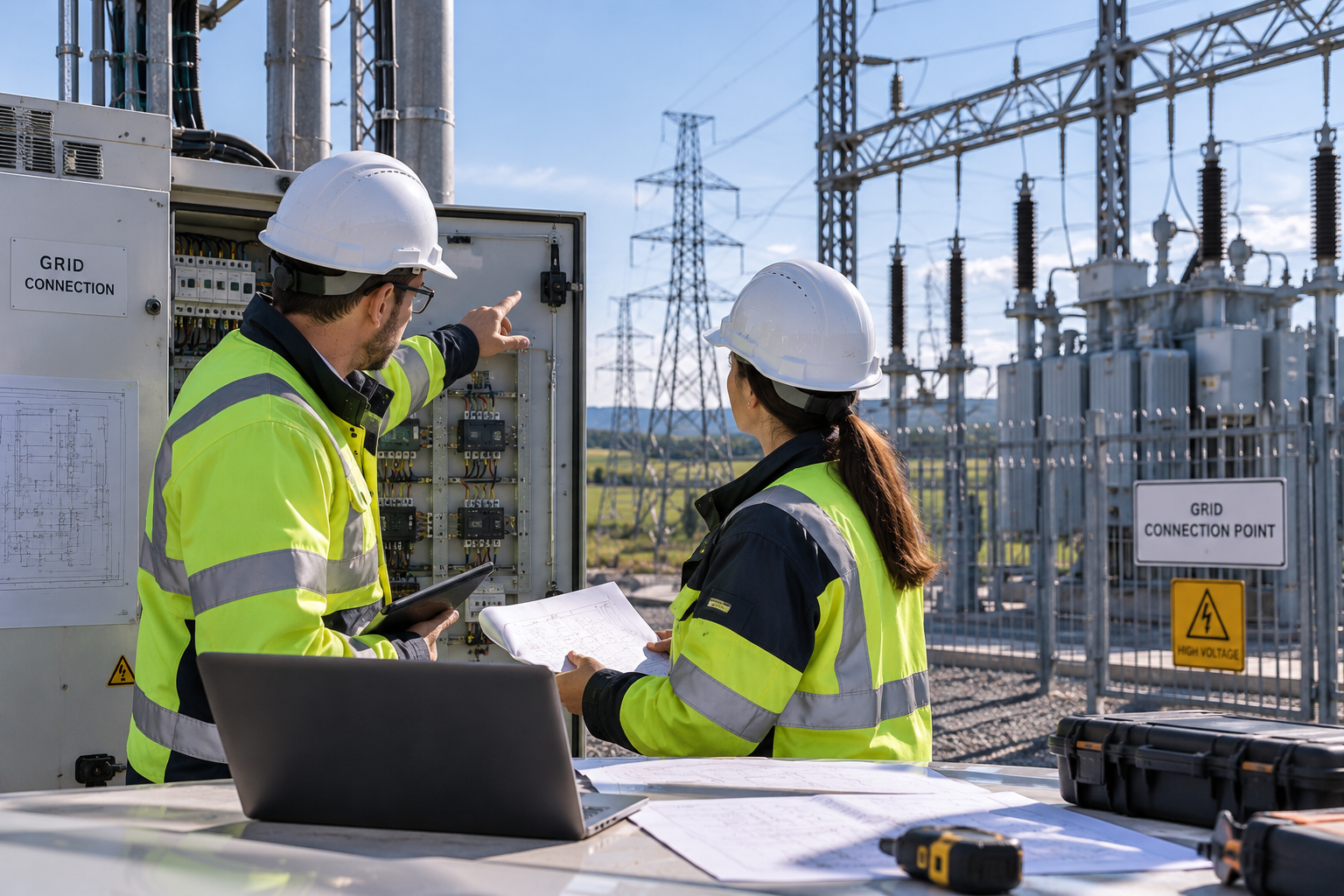
Support project developers in evaluating grid connection requirements, technical feasibility, and connection planning to reduce risks and support successful project delivery.
American Power Engineers supports developers and asset owners across major electricity markets where transmission access can directly influence project viability.
Large-scale solar and wind projects are increasingly developed in regions where renewable resources are strong but transmission capacity is limited. Our engineers help developers evaluate the relationship between project location, generation capacity, transmission access, network constraints, and commercial outcomes.

Transmission capacity and export assessment for large PV developments.

Network access and constraint assessment for large-scale wind generation.
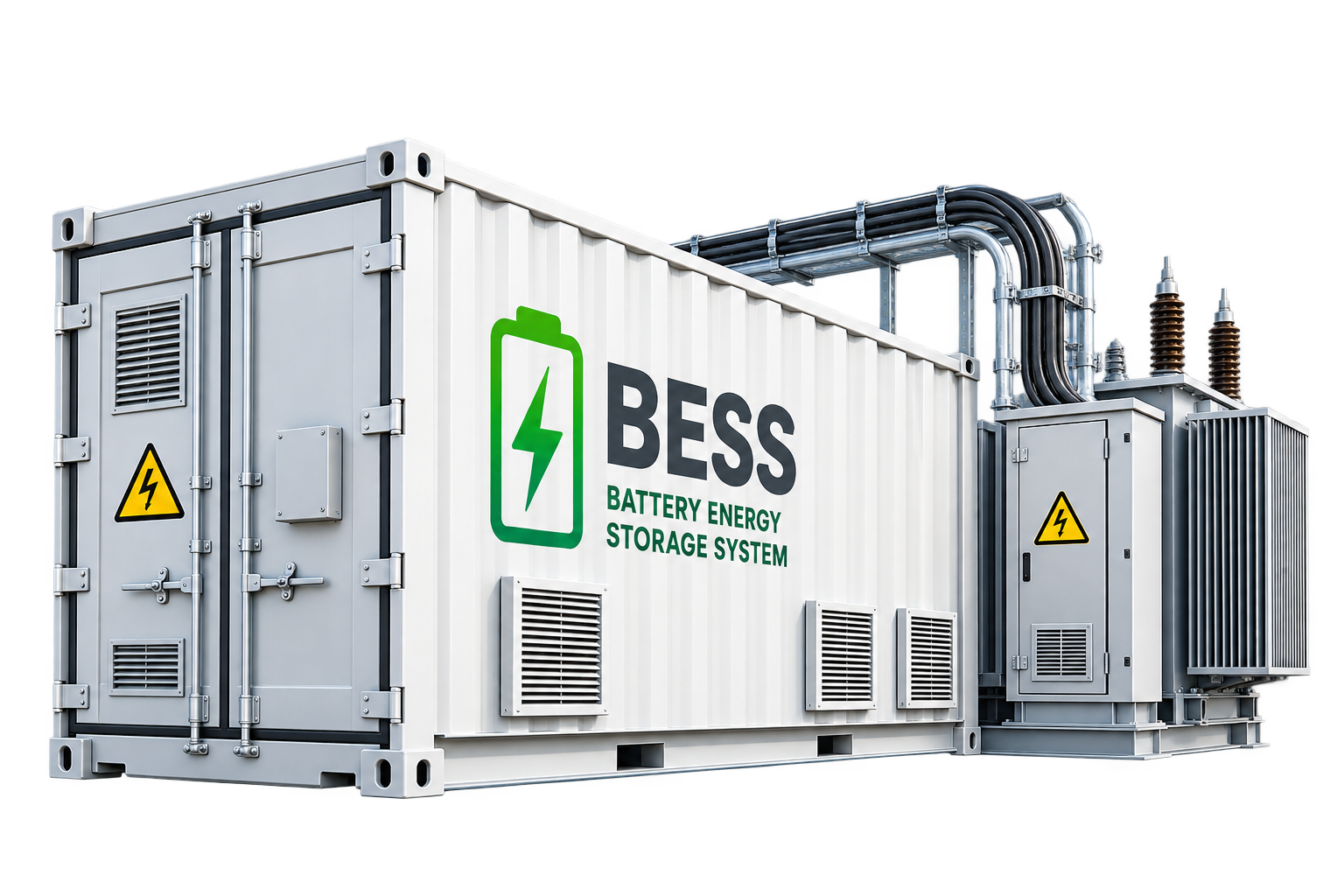
Transmission planning for standalone and hybrid battery projects.
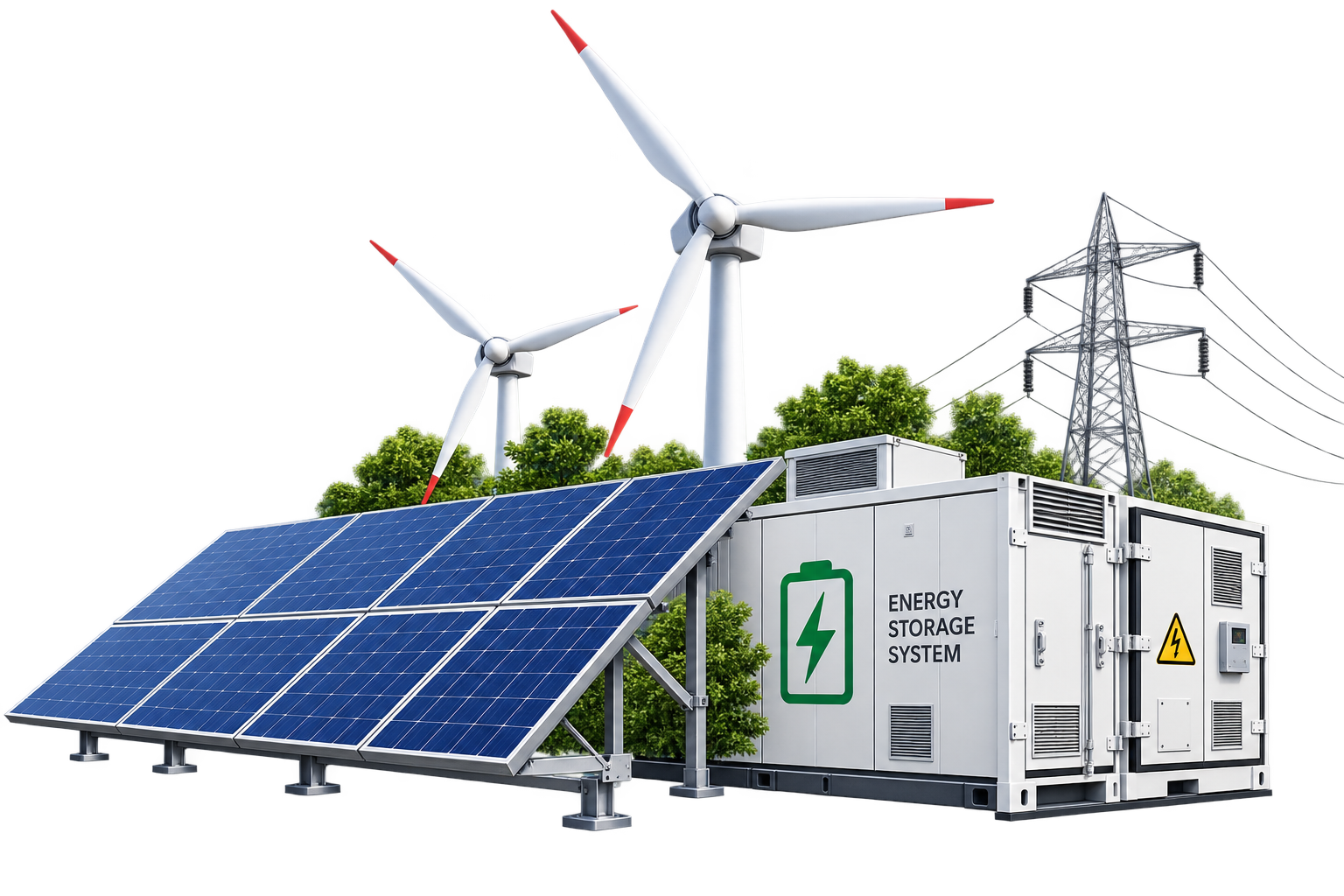
Transmission assessment for solar, wind, BESS, and combined generation facilities.
Transmission Feasibility Assessment
Point of Connection Assessment
Transmission Upgrade Assessment
Transmission Access Strategy
Our assessments provide project teams with engineering information that can be incorporated into development, financial, connection, and investment decisions.
Initial evaluation of network capacity, connection options, and transmission risks.
Technical comparison of candidate connection locations.
Identification of thermal, voltage, stability, and congestion risks.
Assessment of potential network augmentation and associated project implications.
Practical connection and transmission strategy aligned with project objectives.

Transmission load flow and dynamic network analysis.
Electromagnetic transient assessment for complex grid conditions.
Network, stability, fault level, and power system studies.
Electrical system and protection analysis.

Our transmission planning services are backed by power system engineering expertise, helping developers and asset owners evaluate network conditions, connection options, and transmission risks. We combine technical analysis with practical project insights to support informed decisions around capacity, cost, schedule, and commercial viability.
Objective assessment of network access, connection options, and transmission risks.
Experience across Australian, North American, and UK grid environments.
We translate network conditions into practical implications for project cost, schedule, capacity, and risk.
Experience supporting solar, wind, BESS, and hybrid renewable projects.

Connection strategy, grid studies, technical assessment, and approval support.

System strength, stability, IBR, and network performance assessments.

Grid code, NERC requirements, technical compliance, and engineering audit support.
Transmission access planning evaluates how a generation or energy project can connect to and use the transmission network while considering capacity, constraints, network upgrades, cost, and schedule.
Renewable projects may be located far from strong transmission infrastructure. Network constraints or required upgrades can materially affect project cost, schedule, export capability, and commercial returns.
Yes. We can compare potential connection points based on technical feasibility, network capacity, constraints, cost, and project timing.
Yes. Network congestion and export limitations can contribute to curtailment or reduced dispatch capability.
Yes. We support standalone BESS and hybrid renewable projects where transmission access and operating modes need to be evaluated.
American Power Engineers helps developers and asset owners understand network capacity, transmission constraints, connection options, and upgrade requirements before they become expensive project risks.
info@americanpowerengineers.com · Melbourne, Australia · Same-business-day response