
As solar, wind, and battery projects increase across modern power networks, inverter-based resources are changing how electricity systems behave. American Power Engineers provides grid stability and system strength engineering for renewable developers, utilities, asset owners, and investors. Our engineers assess system strength, fault levels, voltage stability, dynamic performance, inverter interactions, and electromagnetic transient behaviour to help projects connect and operate reliably.
SYSTEM STRENGTH · GRID STABILITY · IBR · EMT · FAULT LEVEL · DYNAMIC STUDIES
Established
Continents
Grid Markets
Engineering Platforms
A project may have transmission capacity available and still face serious technical challenges when connected to a weak electrical network. Low system strength, fault-level limitations, voltage instability, control interactions, and inverter performance can affect renewable projects during both connection studies and operation. A weak grid can create challenges for solar, wind, and battery energy storage projects because inverter-based resources depend on the surrounding network to maintain stable and reliable operation.
Even when a connection appears technically feasible, system strength limitations may affect voltage control, fault ride-through performance, oscillations, and the ability of the project to meet grid connection requirements. Understanding these conditions early is essential for assessing whether a project can connect and operate as intended.
These risks can result in additional technical requirements, mitigation equipment, control changes, network upgrades, or operating restrictions. American Power Engineers identifies these issues early through power system studies, dynamic analysis, EMT modelling, and independent engineering assessment.

Grid stability assessment evaluates how a generating facility interacts with the electrical network during normal operation and disturbances. Our engineering services address both conventional power system stability and the specific challenges created by inverter-based resources.
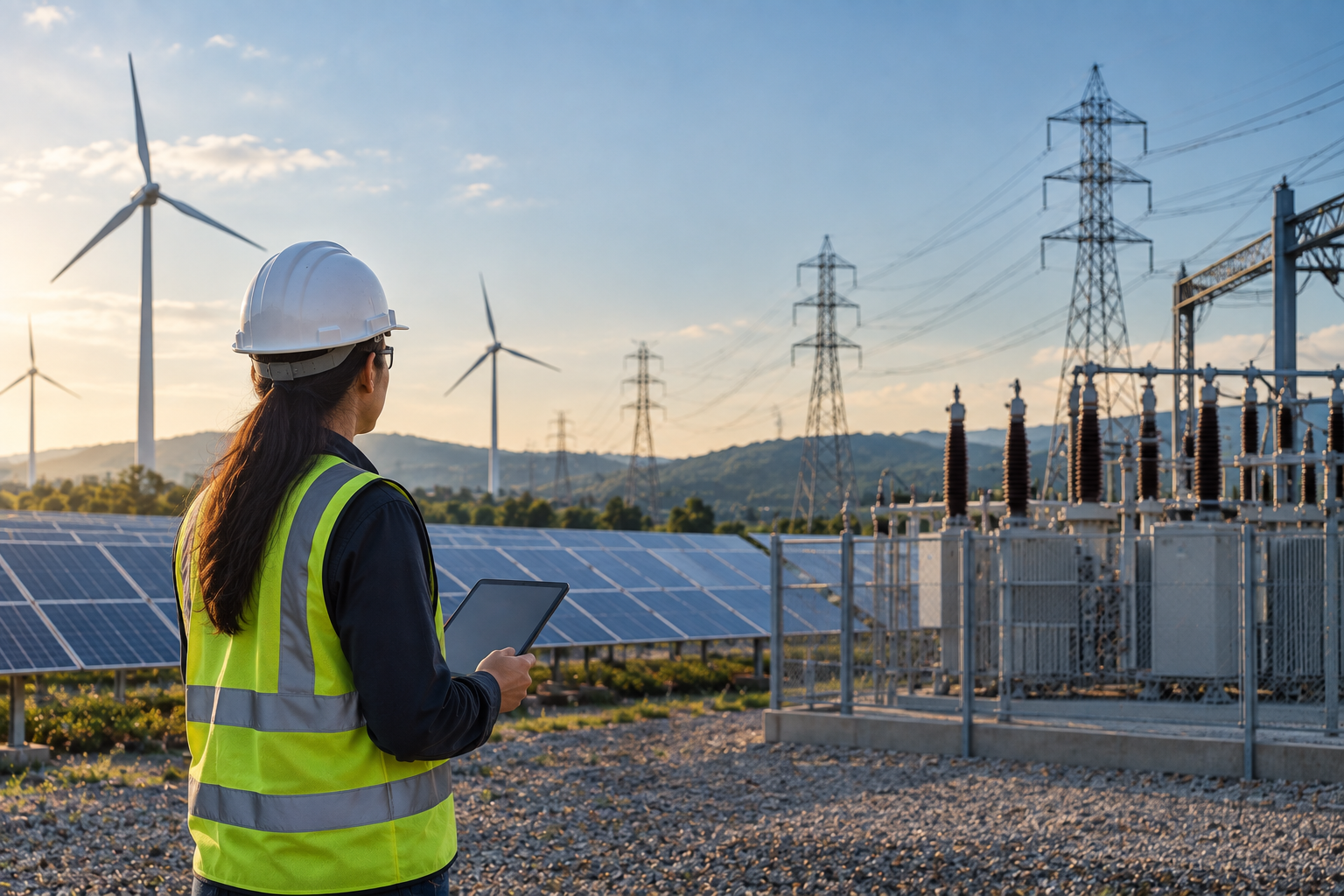
Assess network strength and identify potential risks affecting inverter-based generation.
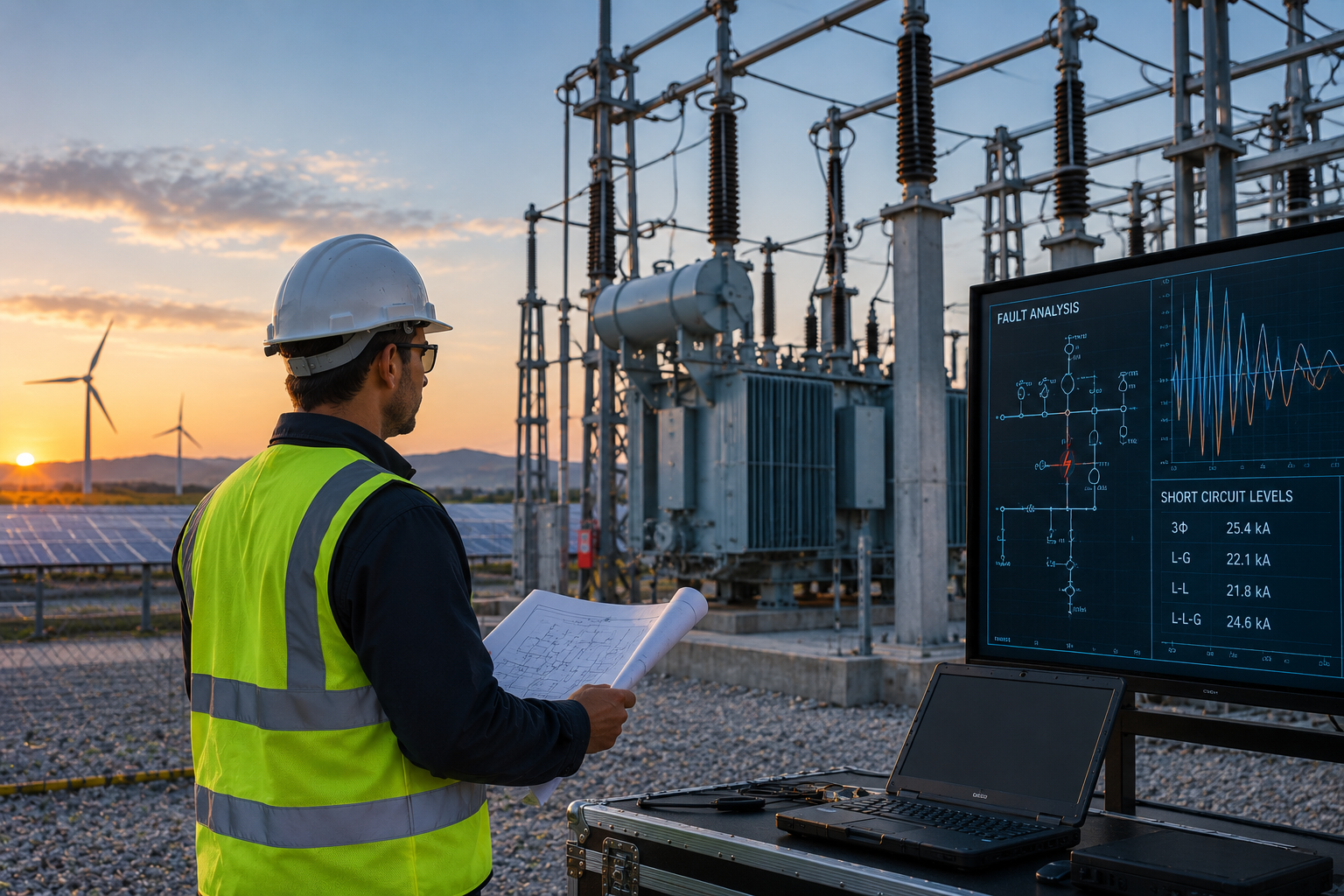
Evaluate fault levels and network conditions affecting protection, equipment ratings, and project connection requirements.
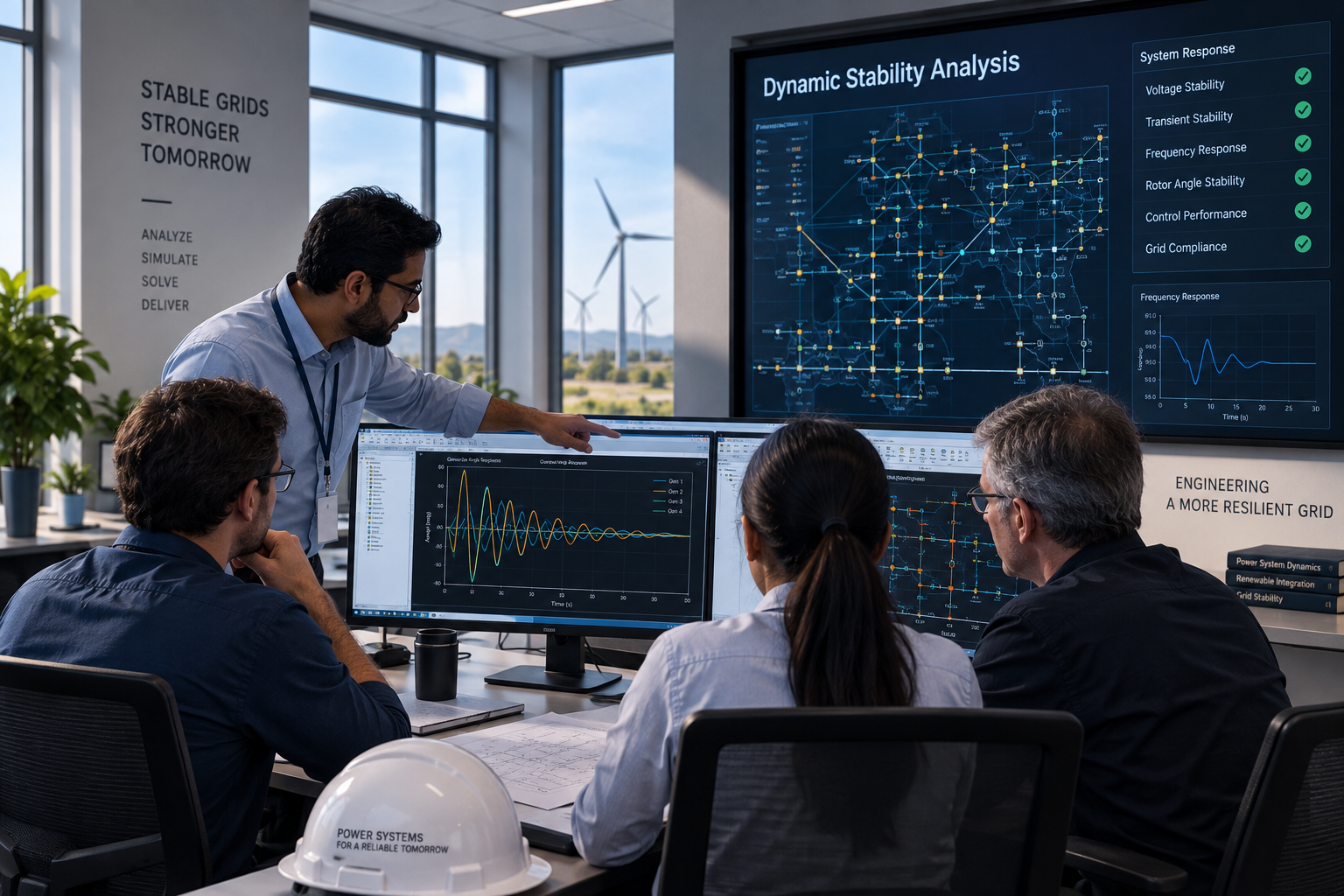
Assess generator and network response to disturbances and changing operating conditions.
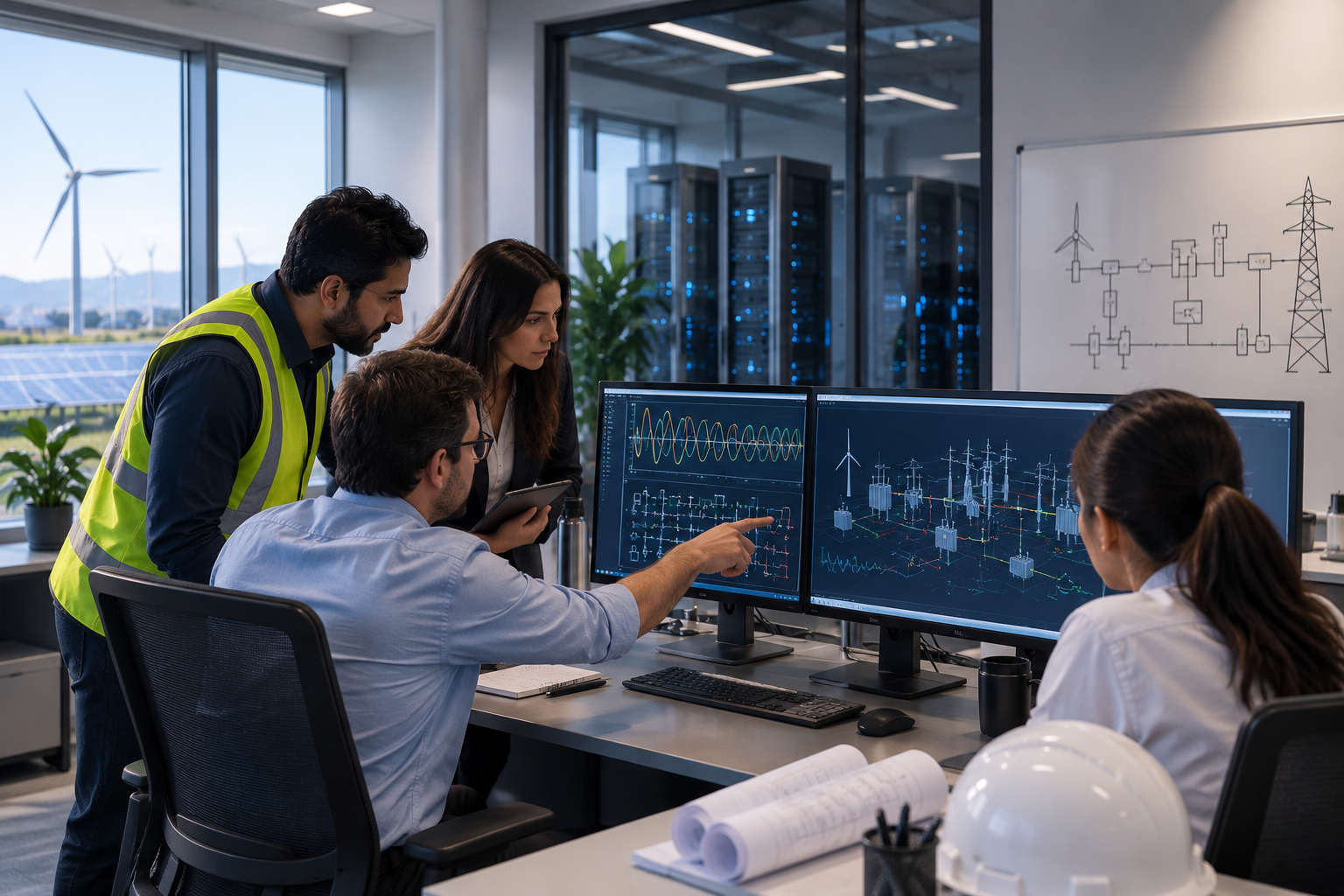
Evaluate detailed inverter behaviour and control interactions using electromagnetic transient modelling.
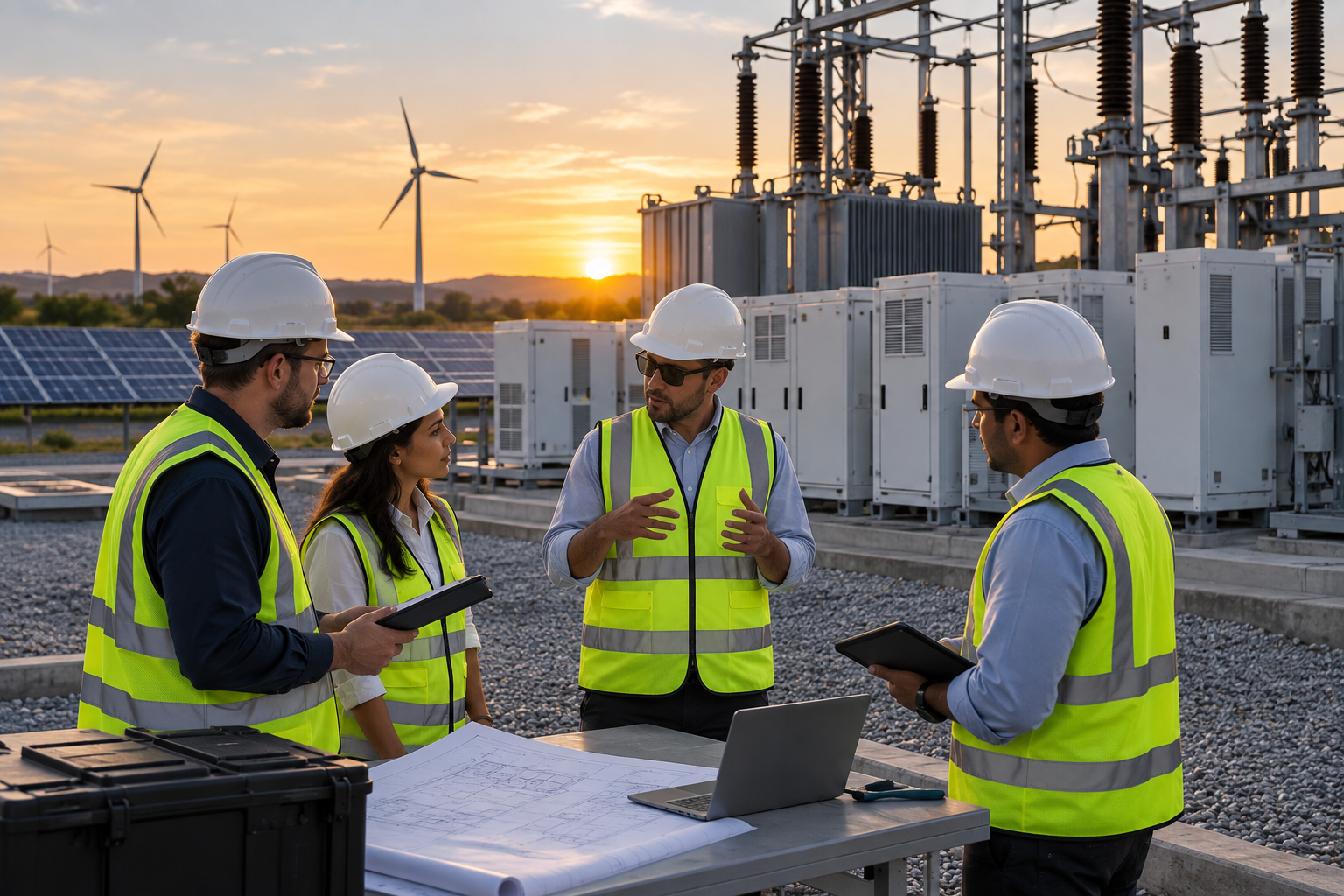
Evaluate technical solutions for projects experiencing system strength or stability limitations.
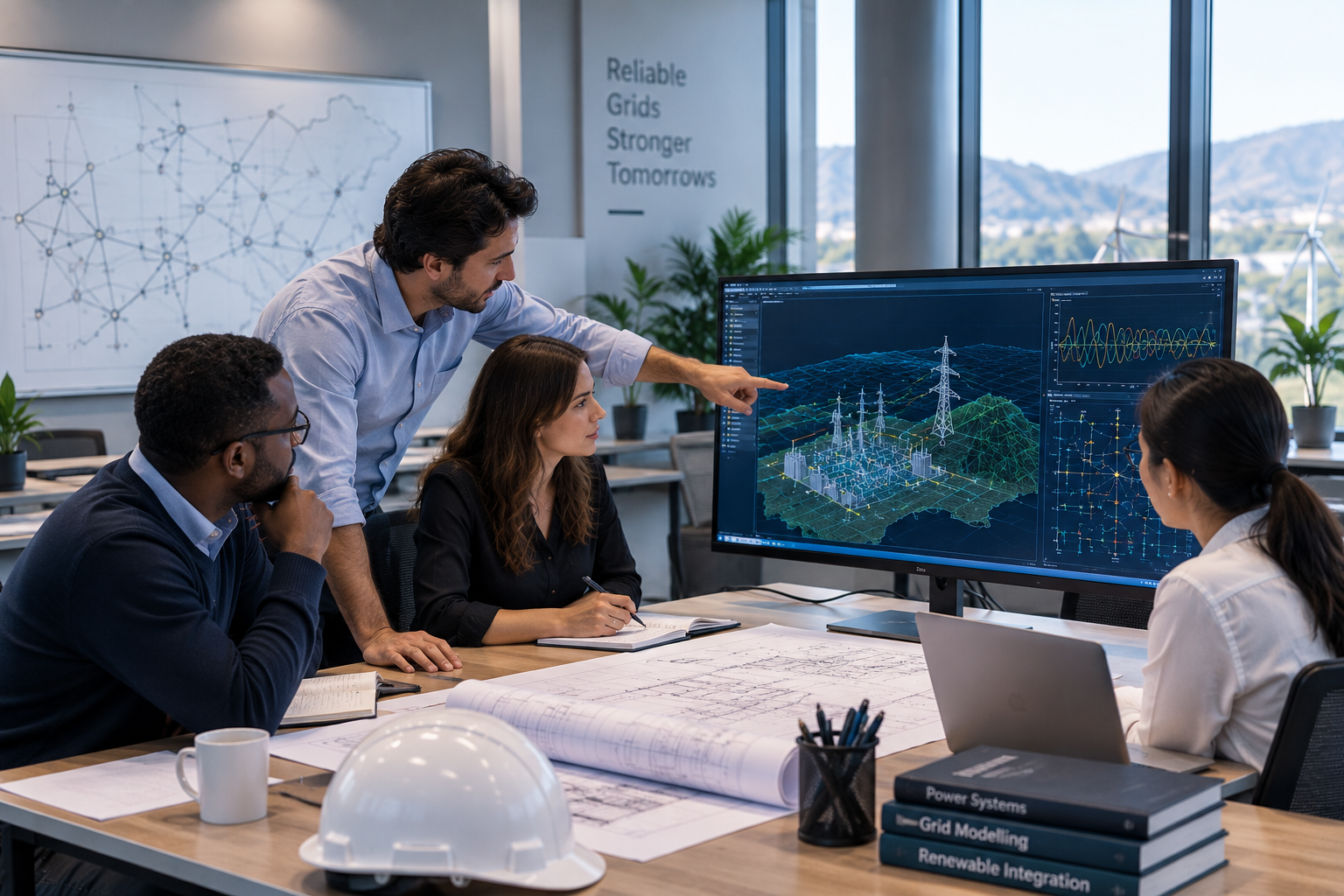
Develop detailed power system models to evaluate network performance, identify technical risks, and support reliable project connection and operation.
American Power Engineers supports renewable and inverter-based projects across major electricity markets where grid stability and system strength are critical connection considerations.
Modern renewable projects increasingly depend on power electronic inverters. Their behaviour can be significantly different from conventional synchronous generators, particularly in weak-grid conditions.
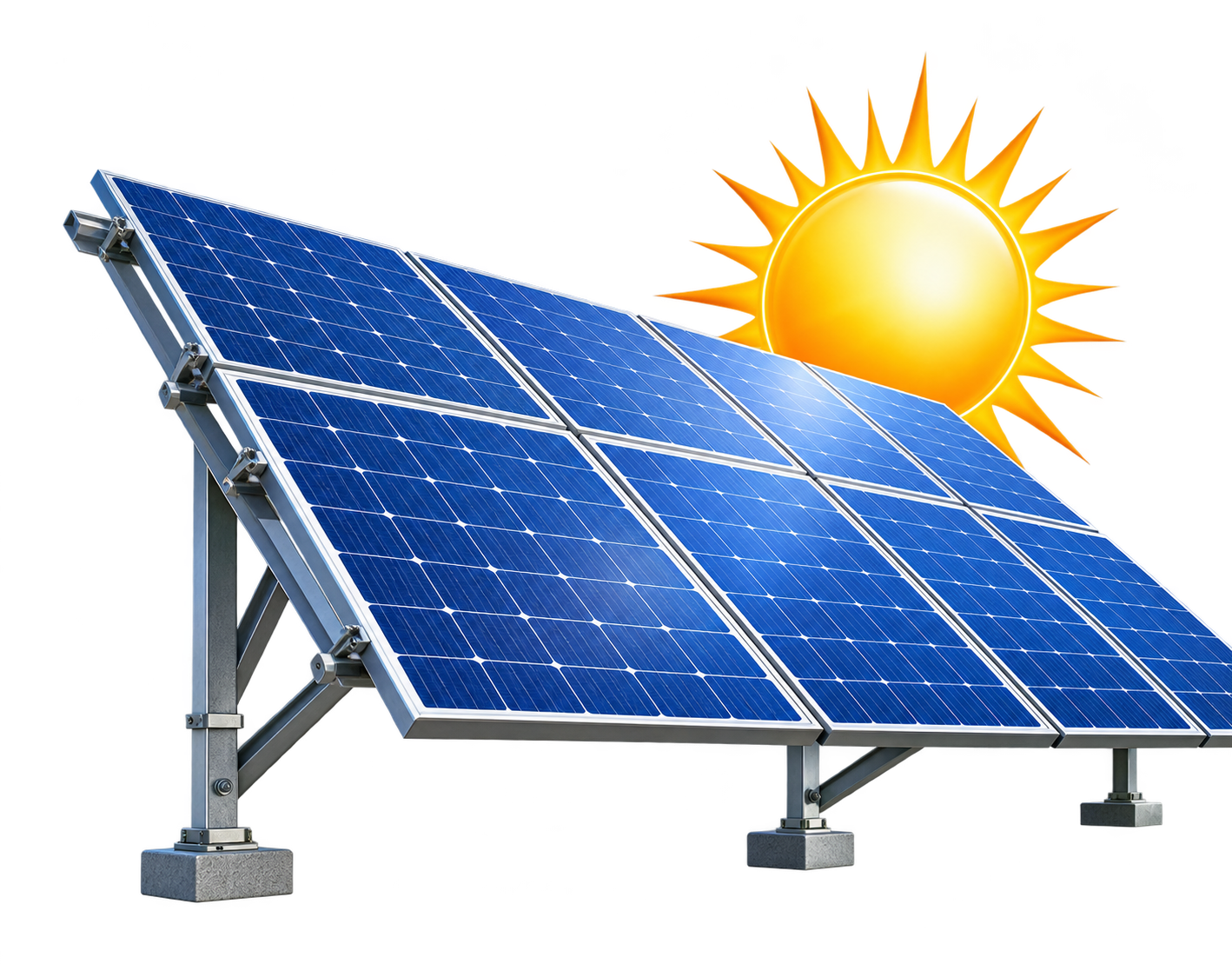
Assessment of inverter controls, voltage response, reactive power, and fault ride-through.
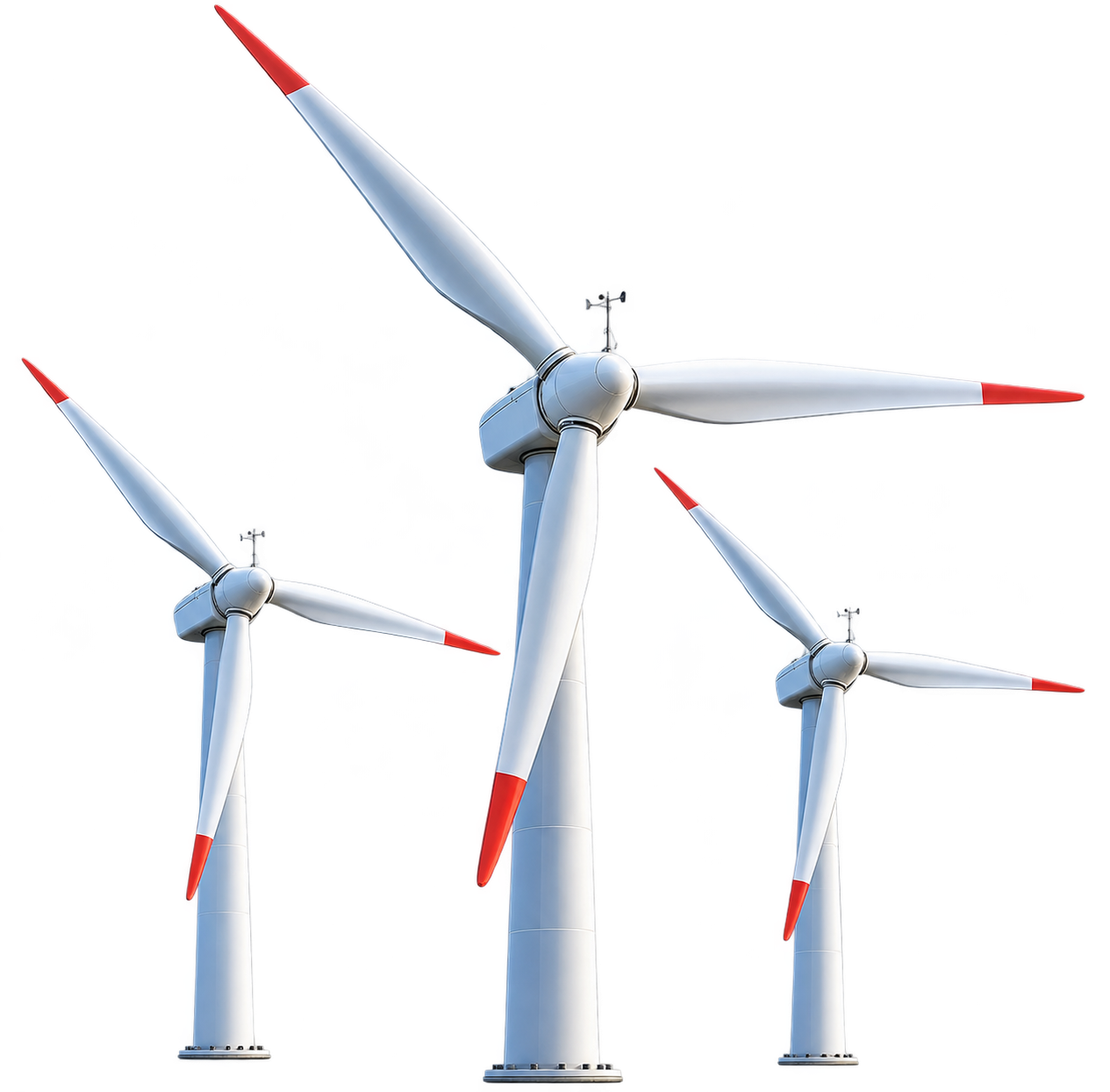
Dynamic performance, voltage control, fault response, and network interaction assessment.
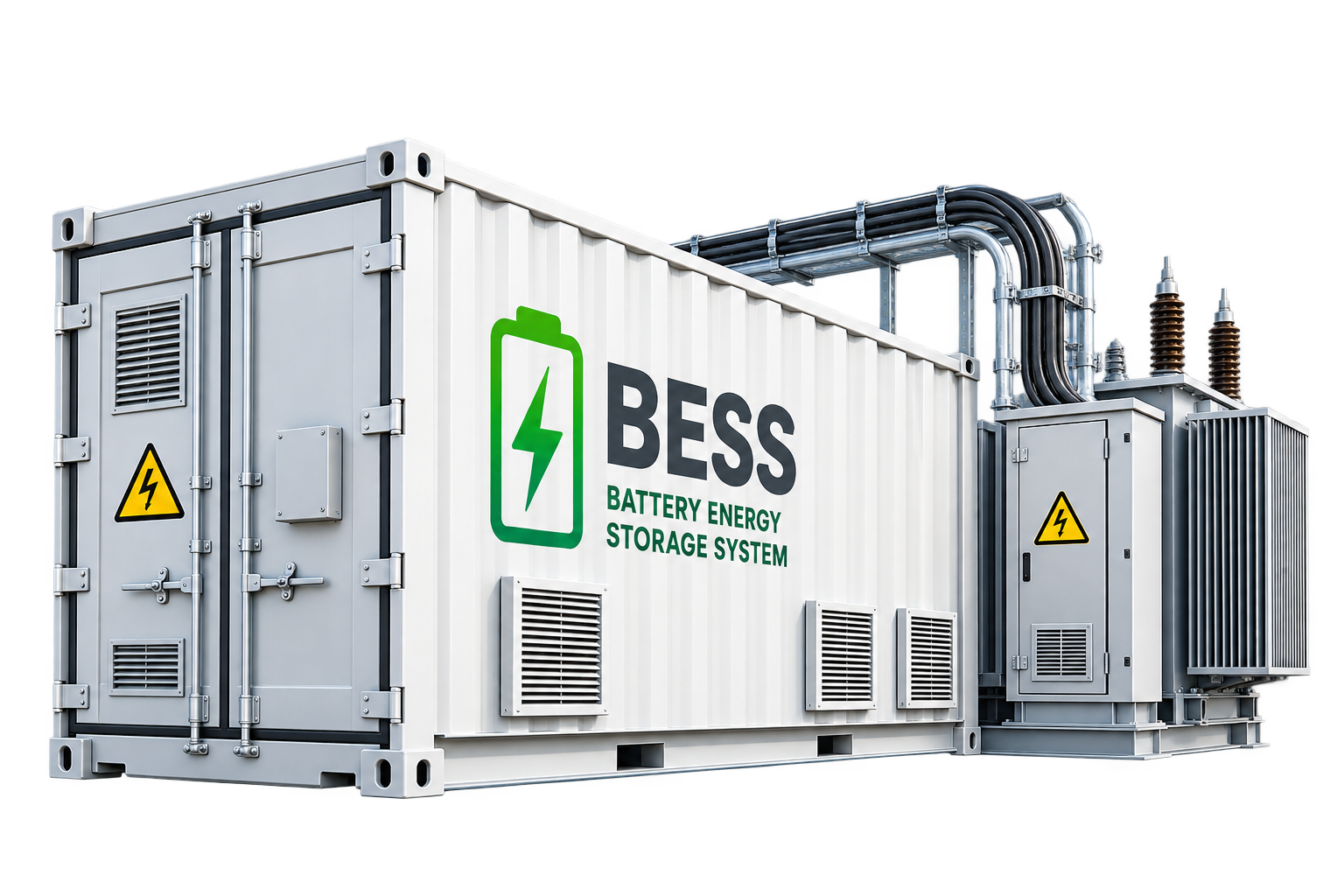
Assessment of charging, discharging, frequency response, grid-forming capabilities, and inverter controls.
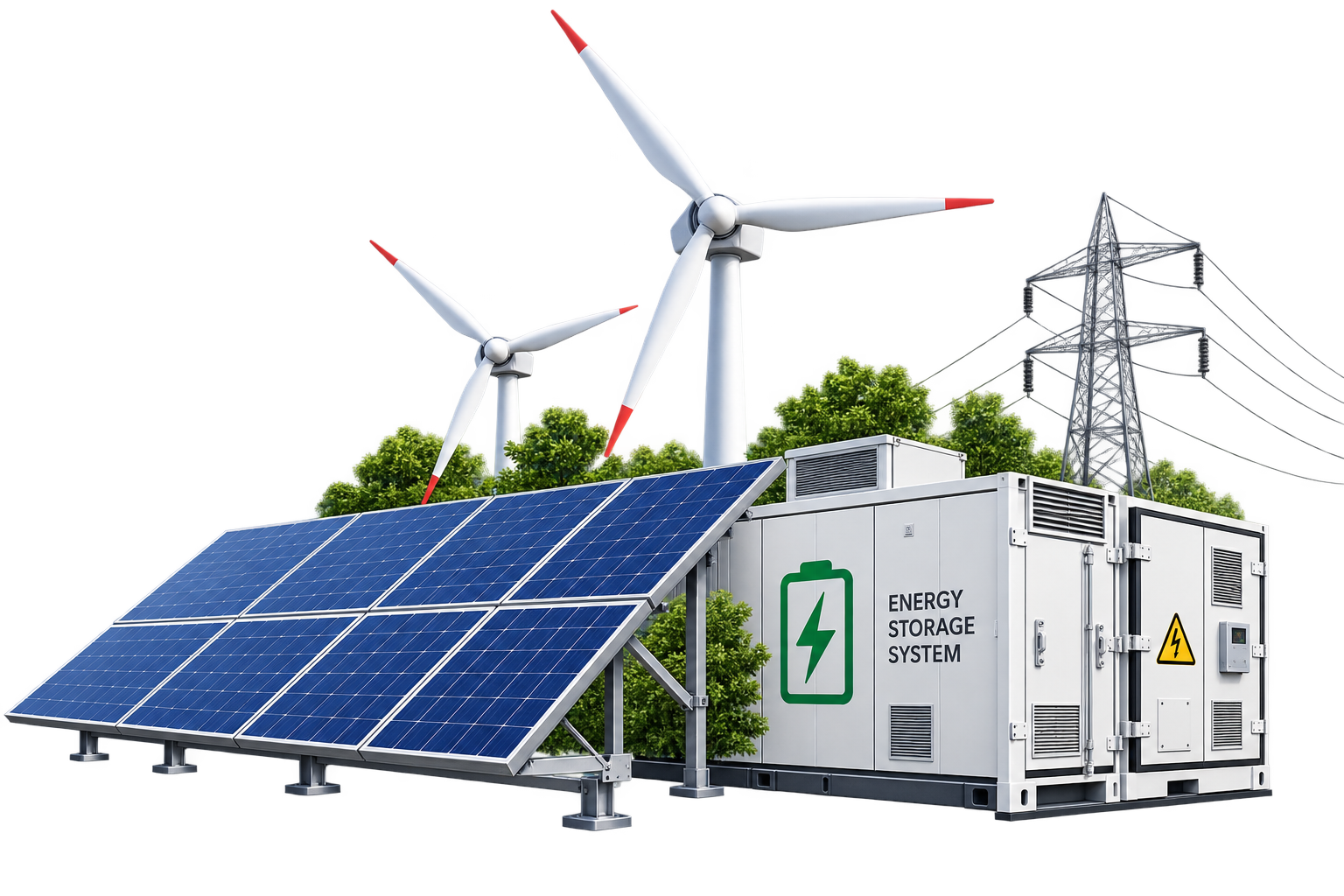
Assessment of coordinated controls and interactions between multiple inverter-based technologies.
Grid Stability Screening Assessment
System Strength Assessment Report
Dynamic / EMT Study Report
System Strength Mitigation Strategy
Evaluation of network strength and potential IBR connection risks.
Assessment of network short-circuit levels and technical implications.
Analysis of generator and network response during disturbances.
Detailed electromagnetic transient assessment of inverter-based resources.
Comparison of technical solutions for system-strength and stability constraints.
Generator performance requirements for Australian grid connections.
Technical connection and operational requirements in Australia’s National Electricity Market.
Interconnection and interoperability requirements for inverter-based resources.
Applicable reliability requirements for North American grid-connected resources.
Dynamic stability and transmission system analysis.
EMT and inverter interaction studies.
Load flow, fault level, stability, and network assessment.
Electrical system and protection analysis.

American Power Engineers delivers independent grid stability and system strength assessments backed by advanced IBR modelling expertise. Our team supports solar, wind, BESS, and hybrid renewable projects across major electricity markets.
Objective engineering analysis of system-strength and stability risks.
Experience across Australian, North American, and UK electricity markets.
Technical capability for dynamic and EMT analysis of inverter-based resources.
Experience supporting solar, wind, BESS, and hybrid renewable projects.

BESS grid integration, controls, modelling, compliance, and commissioning.
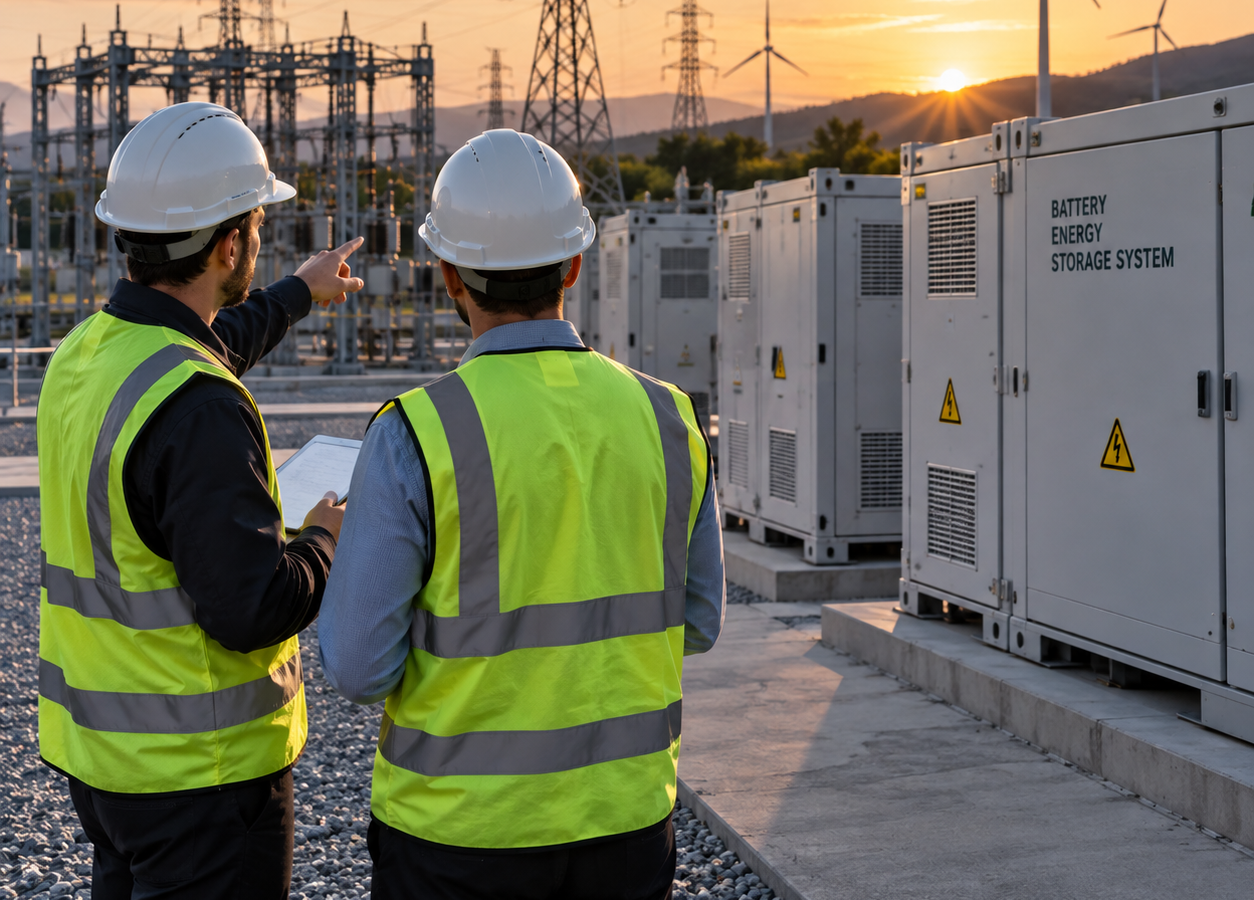
Connection strategy, grid studies, and technical approval support.

Technical compliance, model validation, and audit support.
System strength describes the ability of an electrical network to maintain stable voltage and electrical behaviour during disturbances.
Solar, wind, and BESS often connect through inverter-based technology that can be more sensitive to weak-grid conditions and control interactions.
IBR stands for Inverter-Based Resource. Solar PV, BESS, and modern wind generation commonly use inverter-based technology to connect to the grid.
An electromagnetic transient study provides detailed analysis of fast electrical and control-system behaviour, often using software such as PSCAD.
Yes. Additional studies, control changes, equipment, network upgrades, or mitigation solutions may be required depending on the network and project.
Ideally during feasibility and early connection planning, before major equipment and project design decisions are finalised.
American Power Engineers helps renewable developers understand system-strength, stability, and inverter-related risks before they become connection delays, additional costs, or operational limitations.
info@americanpowerengineers.com · Melbourne, Australia · Same-business-day response